
Chart, market and behaviour analytics over your own trade history
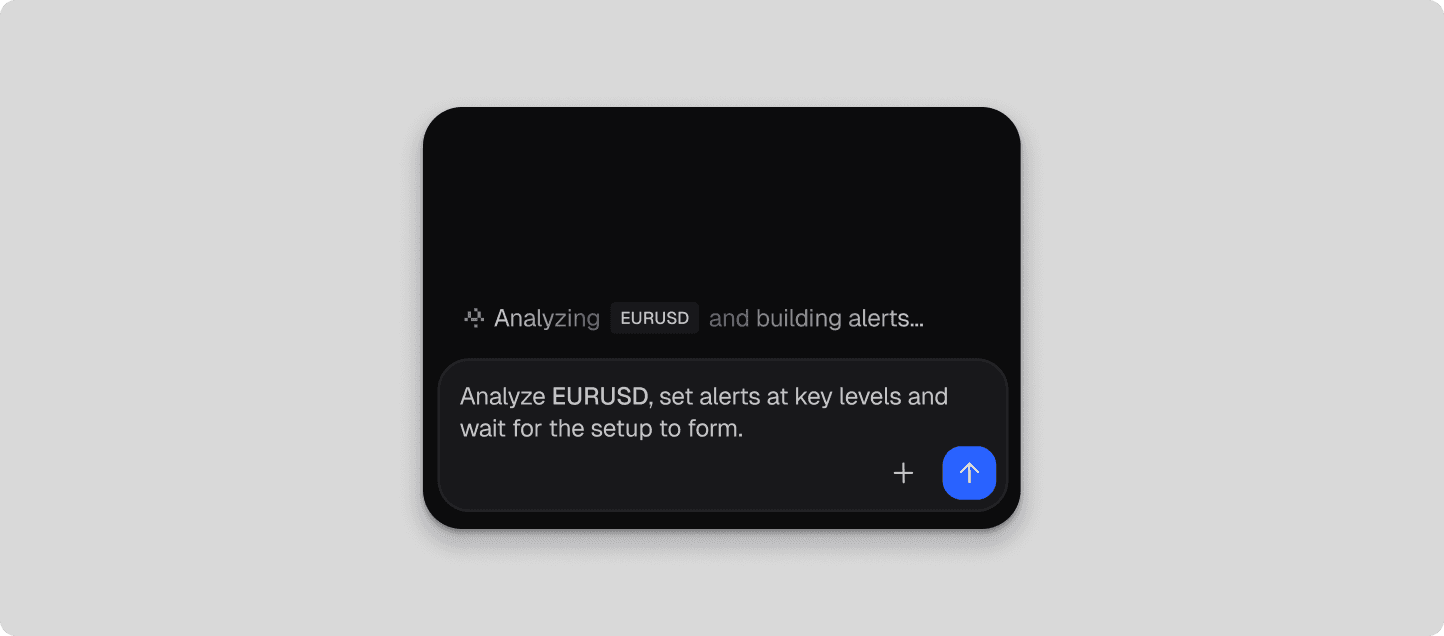
Generic trading advice is generic because it has no idea what you did. Once a few hundred trades are logged with their sizing, costs and labels attached, the useful questions get specific: which setups you actually make money on, what your risk does after a losing morning, which session you would be better off not trading at all. Agent is the part that will read that history back to you.
Decided and specified, not yet started.
Behaviour is the edge nobody logs
Most blown accounts are not analytical failures. They are behavioural, and they leave fingerprints in the data: risk per trade drifting upwards after a loss, stops moved in the last ten minutes of a session, the third trade of the day underperforming the first two every single week.
Planned versus realised risk is the cleanest single measure of it. Because the plan is captured when you size the trade and the outcome when you log it, the gap between the two is a number rather than a matter of self-report — provided the trades are logged at all, which is what a five-minute trade journal is for.
Planned versus realised risk is the shortest description of a trading problem there is.
Chart and market context, for your instruments
Agent will read the markets you actually trade rather than a generic watchlist: the conditions your setups appeared in, how they behaved around releases, and what was different about the sessions that worked.
That context is what makes a review actionable. Knowing a setup lost is history; knowing it loses in the hour after a rate decision is a rule you can trade by.
What it will not do
No signals, no copy trading, no forecast. Agent will read what you did and what the market was doing while you did it — anything past that line would be a different product, and a less honest one.
It also depends on there being something to read, which is why Journal ships first and Agent sits further down the feature list. Until then, the review habits it is designed to automate are written up in the education library.
What it does
- Chart and market analytics for the instruments you actually trade.
- Behaviour analytics: planned versus realised risk, and the habits behind the gap.
- Grounded in your logged history, not in generic trading theory.
- No signals and no copy trading — it reads what you did, nothing else.
- Depends on Journal: the more sessions logged, the more there is to read.